
Navigating cultural identity issues can be challenging, especially when balancing the influences of different cultural backgrounds and societal expectations. Understanding and embracing your cultural identity can enhance your sense of self and improve your relationships with others.
Recognizing Cultural Influences:
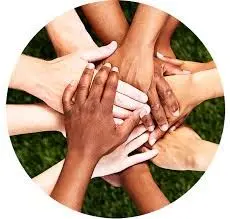
Acknowledging the various cultural influences in your life is the first step in understanding your cultural identity. These influences can come from your family, community, and the broader society. By identifying these influences, you can better understand how they shape your values, beliefs, and behaviors.
Embracing Diversity:
Celebrating the diversity within your cultural background and the backgrounds of others can foster a sense of belonging and acceptance. Embracing diversity involves appreciating the unique aspects of different cultures and recognizing the commonalities that unite us all.
Overcoming Stereotypes:
Challenging stereotypes and preconceived notions about your culture and others is crucial. This involves critically examining the sources of these stereotypes and educating yourself and others about the rich complexity of different cultural identities.
Coping with Cultural Conflicts:
Cultural conflicts can arise when there are differences in cultural values, beliefs, or practices. Learning to navigate these conflicts involves open communication, empathy, and a willingness to find common ground. Developing conflict resolution skills can help mitigate these challenges and foster mutual understanding.
Building a Strong Sense of Identity:
Developing a strong sense of cultural identity involves exploring and affirming your cultural heritage. This can include participating in cultural traditions, learning about your cultural history, and connecting with others who share your background. A strong sense of identity can enhance your self-esteem and resilience.
Balancing Multiple Cultures:
Many individuals navigate multiple cultural identities, which can sometimes lead to feelings of confusion or conflict. Finding a balance between these identities involves integrating aspects of each culture in a way that feels authentic to you. This may require exploring different cultural practices and finding what resonates most with you.
Seeking Support:
Dealing with cultural identity issues can be complex, and seeking support from others can be invaluable. This might involve talking to family members, joining cultural organizations, or seeking guidance from a counselor or therapist who understands cultural identity issues. Support from others can provide a sense of community and validation.
Ultimately, understanding and embracing your cultural identity can lead to a richer, more fulfilling life. It can enhance your relationships with others and provide a strong foundation for personal growth.
Book a consultation today for Cultural Identity Issues with Northern Virginia Counseling Center. Call (703) 951-7422 or book a consultation online.