
School-related academic and behavior issues can significantly impact a student's educational experience and overall well-being. Developing effective strategies to address these issues can enhance academic performance, improve behavior, and create a more positive school environment.
Understanding Academic Challenges:
Recognizing the academic challenges your child faces is the first step in addressing school-related issues. Each student has unique strengths and weaknesses. Understanding these can help you provide appropriate support and resources to enhance their learning experience.
Effective Communication:
Open and honest communication is essential in addressing school-related issues. This involves actively listening to your child, expressing your thoughts and concerns clearly, and encouraging your child to do the same. Effective communication fosters trust and mutual understanding.
Setting Academic Goals:
Establishing clear and achievable academic goals is crucial for a student's development. This includes setting short-term and long-term goals, creating a plan to achieve them, and regularly reviewing progress. Goals provide motivation and a sense of direction.
Behavior Management:
Addressing behavior issues involves setting clear and consistent expectations for behavior, understanding the underlying causes of the behavior, and implementing appropriate interventions. Positive reinforcement, consistent consequences, and teaching appropriate behavior can improve conduct and create a better learning environment.
Building Study Skills:
Developing strong study skills is essential for academic success. This includes teaching your child how to take effective notes, organize their study materials, and develop good study habits. Strong study skills enhance learning and retention of information.
Managing Stress:
School can be a significant source of stress for students. Managing stress involves practicing self-care, finding healthy ways to cope with stress, and seeking support when needed. Helping your child manage stress can improve their overall well-being and academic performance.
Navigating Peer Relationships:
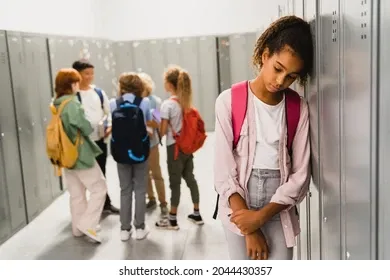
Social dynamics at school can impact a student’s emotional well-being and academic success. Teaching your child how to build and maintain healthy relationships with peers, handle peer pressure, and resolve conflicts can enhance their school experience.
Seeking Support:
Dealing with school-related academic and behavior issues can be complex, and seeking support from others can be beneficial. This might involve talking to teachers, school counselors, or seeking guidance from a professional therapist. Support from others can provide new perspectives and strategies for addressing school-related challenges.
Ultimately, understanding and addressing school-related academic and behavior issues can lead to a more positive and productive school experience for your child.
Book a consultation today for School-Related Academic and Behavior Issues with Northern Virginia Counseling Center. Call (703) 951-7422 or book a consultation online.